


Design is no longer just about aesthetics—it’s about storytelling, psychology, technology, and cultural expression. As we step into 2025, the creative industry is experiencing a radical transformation, driven by AI automation, nostalgic throwbacks, bold new styles, and interactive experiences.
From AI-powered design shaping workflows to bold minimalism and maximalist illustration making their mark, and the revival of gothic crests, retro serifs, and handcrafted elements, this year’s trends are more than just visual fads. They represent a shift in how we interact with design, branding, and user experiences in an increasingly digital world.
But why are these trends gaining momentum now? How will they impact branding, UI/UX design, digital marketing, and visual storytelling? Most importantly, how can designers adapt and stay ahead?
Let’s explore the most significant design trends of 2025, their deeper significance, and how they will reshape creativity across industries.
AI-Powered Design: Where Human Creativity Meets Machine Intelligence
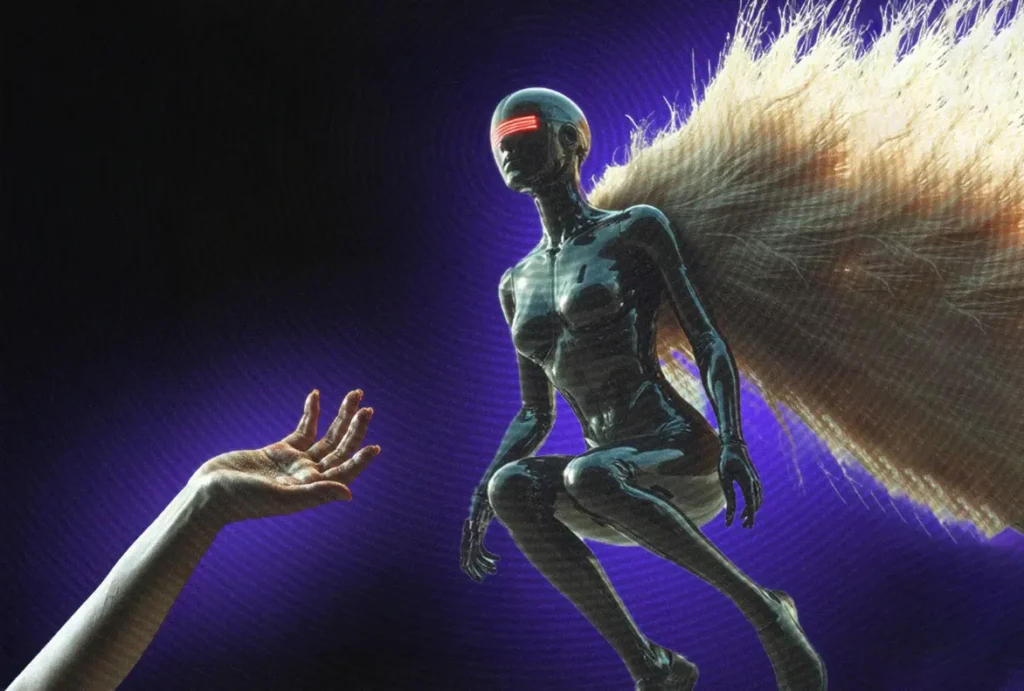
Image and Media Optimization
AI is no longer just a design assistant—it’s becoming a full-fledged creative partner. In 2025, AI-powered design tools like Adobe Firefly, Runway ML, and MidJourney are automating repetitive tasks, generating personalized branding assets, and even helping with UI/UX design.
But the real debate is: Will AI replace designers, or will it enhance creativity?
AI has made designing faster and more accessible, allowing brands to scale content production effortlessly. However, great design is more than automation—it requires meaning, storytelling, and cultural understanding, elements AI has yet to master.
AI-powered branding and advertising platforms can now create thousands of logo variations, ad creatives, and marketing materials in seconds. Web designers and UI/UX professionals are using AI to optimize website layouts dynamically based on user interaction. Even digital marketing is benefiting from AI-generated visuals tailored to different audience segments.
To stay ahead, designers must embrace AI-powered design tools to enhance workflows while keeping human-led creativity at the core. AI should be used for efficiency, not as a replacement for original thought. Experimenting with AI-driven interactive branding and dynamic UI design will allow creatives to push boundaries while maintaining artistic authenticity.
In 2025, designers who embrace AI without losing originality will lead the industry, blending technology with creativity that feels human.
Bold Minimalism: The Art of Saying More with Less
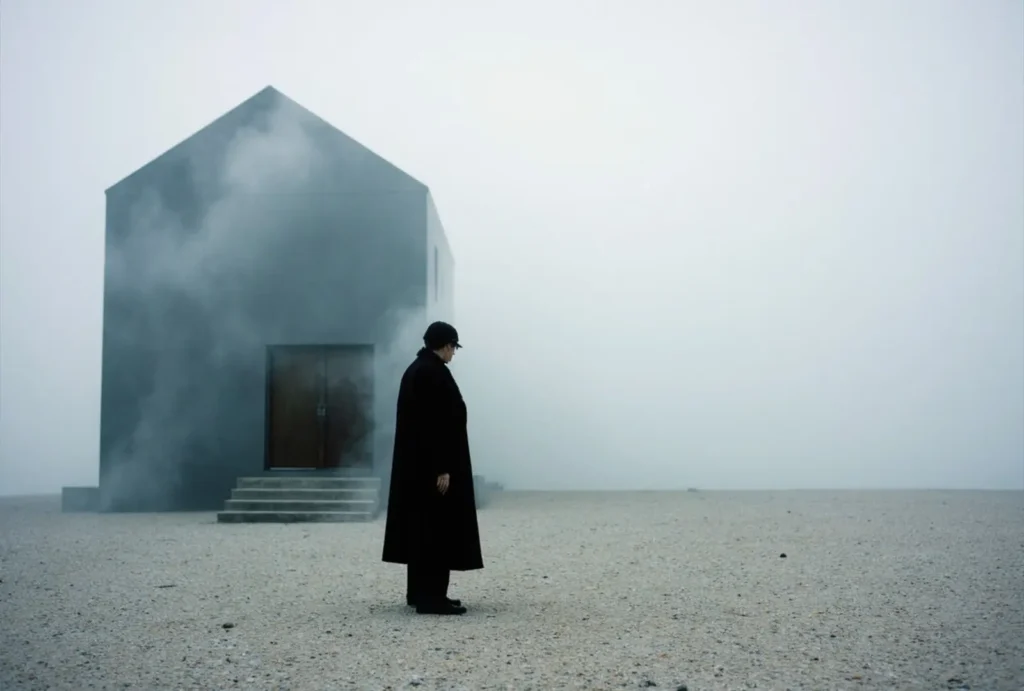
Minimalism remains a powerful design trend, but in 2025, it’s getting a bolder, more striking upgrade. Unlike the soft, neutral minimalism of the past, this trend embraces high-contrast color schemes, oversized typography, and dramatic layouts.
People are overwhelmed by digital clutter, making clean, powerful visuals more impactful than ever. Brands are adopting bold simplicity—using fewer elements but making them stronger—to capture attention instantly. A quality photo enhancer can help amplify these visuals, ensuring every image stands out with clarity and precision.
Luxury branding is shifting toward ultra-clean, premium packaging, where typography is the hero. Tech startups are opting for high-contrast interfaces, creating sleek and modern digital experiences. Web designers are favoring sharp layouts with striking, singular focal points.
The challenge is keeping minimalism engaging. When executed well, it’s unforgettable, but without careful balance, it can feel empty and uninspired. Bold minimalism proves that less is more—when every element is intentional.
Brutalist Web Design: Function Over Aesthetics
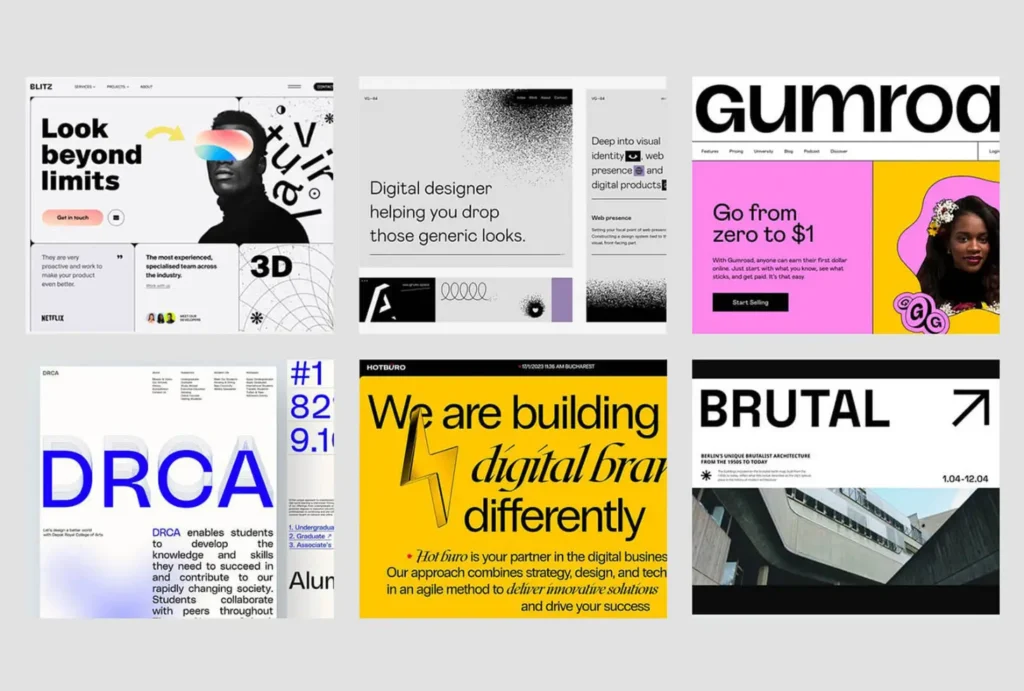
As bold minimalism takes center stage, another trend is emerging for brands that want to reject perfection altogether, Brutalist web design.
Inspired by industrial, raw, and unpolished aesthetics, brutalist design focuses on function over beauty, embracing hard edges, high-contrast colors, and harsh typography.
Brutalist web design stands out with asymmetrical layouts that have an intentionally “unfinished” look. It often features minimal decorative elements, focusing purely on usability, and monochrome or limited color palettes, frequently using stark black, white, or red tones.
Brutalism isn’t for every brand, but it works exceptionally well for tech startups, fashion labels, and creative portfolios looking to stand out in an over-designed digital world.
Metallics: A Future Shining Bright
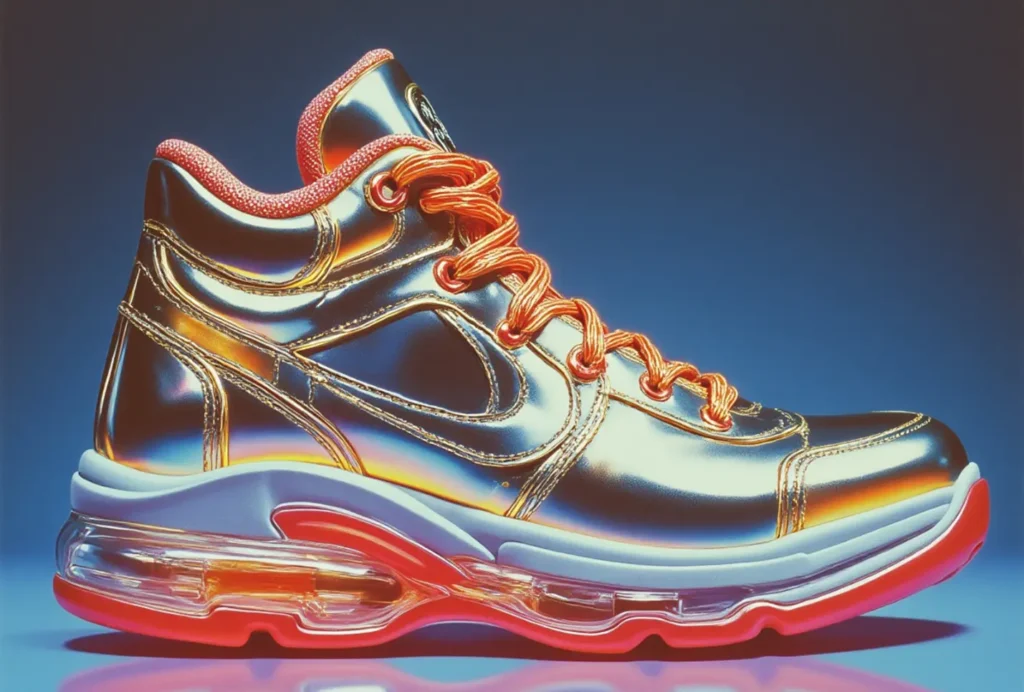
Metallic textures are taking over branding, UI design, and packaging, adding depth, realism, and a futuristic aesthetic. From chrome gradients to iridescent finishes, metallics elevate design to feel more premium and high-tech.
Luxury packaging is featuring reflective foils and embossed elements, while web and UI design are integrating chrome textures for futuristic appeal. Tech branding is leveraging metallic details to signify innovation and cutting-edge advancements.
The key to using metallics effectively is subtlety. A full-metallic layout can be overwhelming, but well-placed accents on typography, logos, or UI elements add sophistication.
Tools like AI Logo Generator make it effortless to incorporate these metallic aesthetics directly into your brand identity without needing a designer.
3D & Immersive Design: Beyond Flat Aesthetics
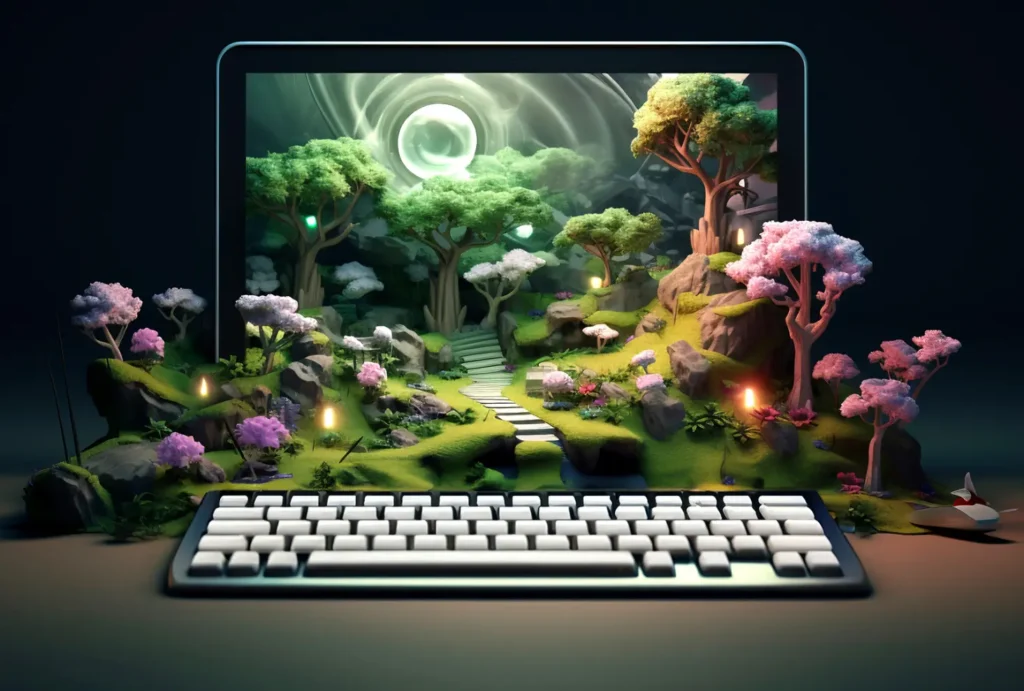
Flat design is slowly evolving into more immersive, interactive experiences. Thanks to Web3, AR, and VR, three-dimensional elements are appearing across branding, packaging, and UI design.
E-commerce brands are integrating 3D product previews, allowing consumers to rotate and inspect items virtually before purchasing. Fashion labels are experimenting with augmented reality filters that enable users to see how products look in real-time. Web designers are blending 3D elements into digital interfaces to create depth and realism.
As technology advances, expect 3D design to become a staple in digital experiences, making interactions feel more engaging and lifelike.
Pixel Art Revival: Nostalgia with a Digital Twist
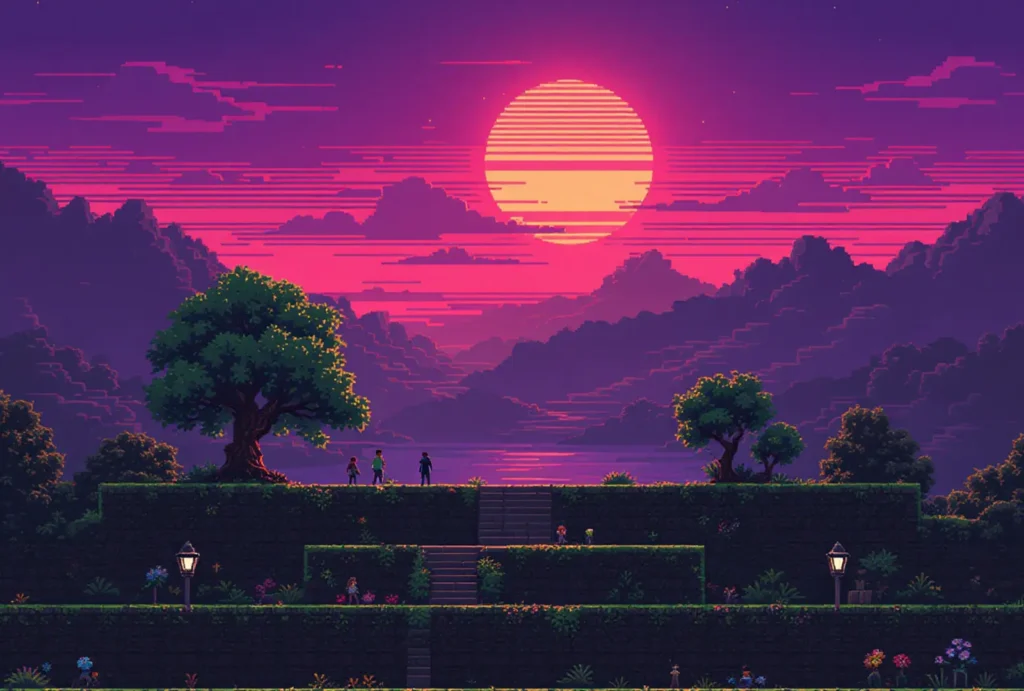
Pixel art—once seen as a limitation—is now a deliberate aesthetic choice, driven by nostalgia for early internet culture. Brands are using pixel graphics, retro-inspired web layouts, and 8-bit icons to stand out in a world of hyper-polished visuals.
It connects with early internet nostalgia, appealing to audiences who grew up with Y2K aesthetics and 90s gaming culture. Pixel art is deliberately imperfect, making it feel unique and hand-crafted. It also contrasts heavily with AI-generated, overly smooth design trends, making it a rebellious and playful choice.
Expect pixel elements to continue appearing in branding, web design, and digital marketing campaigns.
Retro Serif Typography: Classic Meets Contemporary
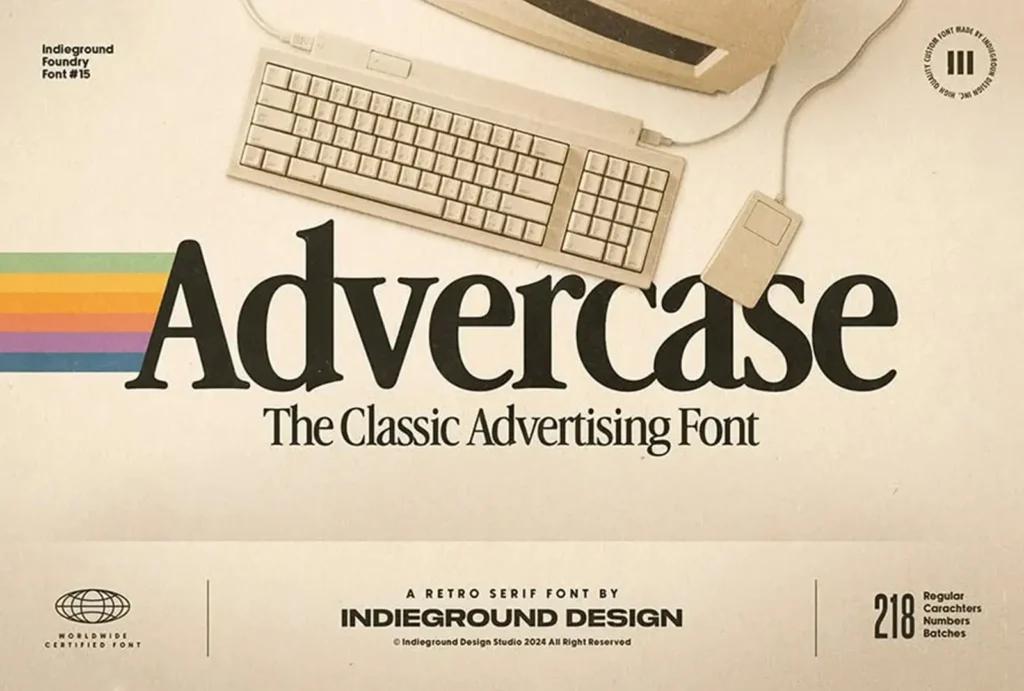
Typography is getting a retro revival, with serif fonts returning to mainstream branding. These fonts bring back the elegance of vintage print design but are being paired with modern, high-contrast layouts.
Serif fonts evoke trust and nostalgia, making brands feel more established. They add contrast to modern, sleek designs, making typography more engaging.
Expect to see serif fonts dominating fashion branding, luxury packaging, and editorial layouts in 2025.
Gothic Badges and Crests: Old-World Aesthetics Reimagined
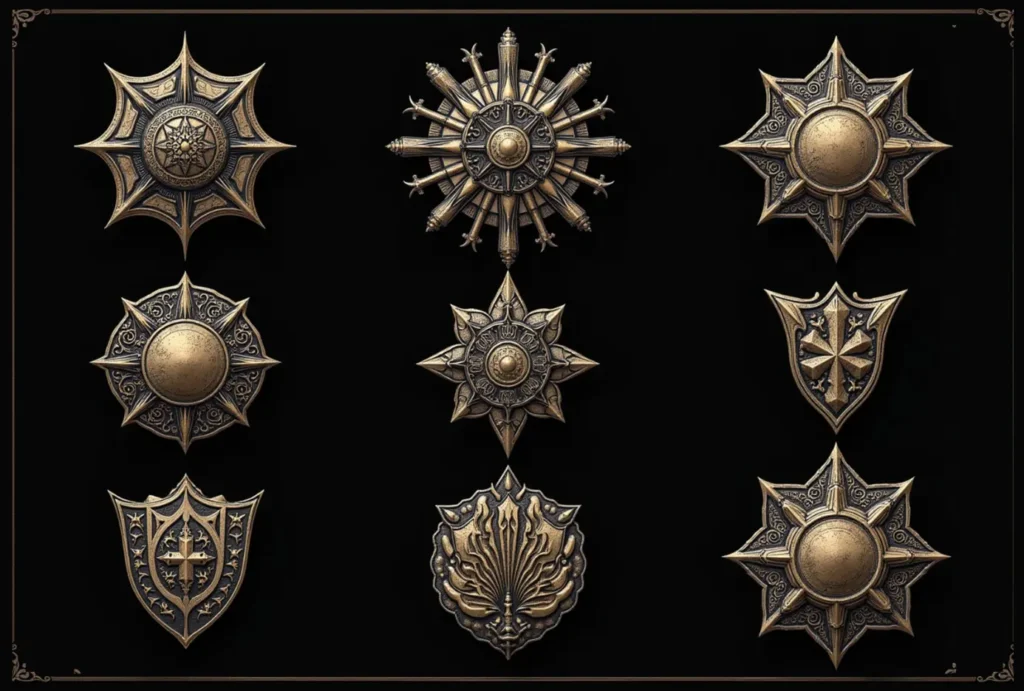
Gothic crests, monograms, and ornate badges are making a comeback in luxury branding, whiskey labels, and artisanal packaging. This aesthetic adds depth and craftsmanship, giving brands a sense of heritage and storytelling.
Premium liquor and craft beer brands are incorporating gothic crests to evoke tradition. Fashion and jewelry companies are embracing vintage monograms for a regal, historical look. Editorial and logo design are integrating intricate vintage elements to create timeless branding.
Final Thoughts: Where is Design Headed in 2025?
The biggest design trends of 2025 show a powerful contrast between AI-driven automation and handcrafted originality. Some brands are embracing ultra-modern, high-tech aesthetics, while others are returning to vintage, imperfect, and deeply personal design elements.The key to staying ahead is experimentation, adaptation, and balancing technology with human creativity.